In Aurora, Illinois, the integrity of natural and engineered slopes and retaining structures is fundamental to safe and sustainable development. The Slopes & Walls category encompasses the specialized geotechnical engineering required to analyze, design, and stabilize earth masses and vertical grade separations. From preventing landslides along the Fox River bluffs to enabling commercial construction on challenging terrain, these services are critical. Local conditions demand a deep understanding of soil-structure interaction, groundwater management, and long-term erosion control. Without proper intervention, slope failures and wall collapses can lead to catastrophic property damage, environmental harm, and public safety risks, making professional geotechnical assessment an indispensable part of any project involving grade changes.
Aurora's geological setting presents unique challenges directly addressed by this category. The city straddles the Fox River Valley, underlain by a complex sequence of glacial tills, outwash sands, and silty clays deposited during the Wisconsinan glaciation. These soils, particularly the compressible silts and loose saturated sands, are prone to instability when disturbed by excavation or heavy precipitation. The bluffs along the river can experience natural ravelling and slumping, while urban areas contend with fill soils of variable composition. Effective slope stability analysis must account for these layered subsurface profiles and the high groundwater table typical of the region, especially during spring thaw and heavy rain events when pore water pressures peak.
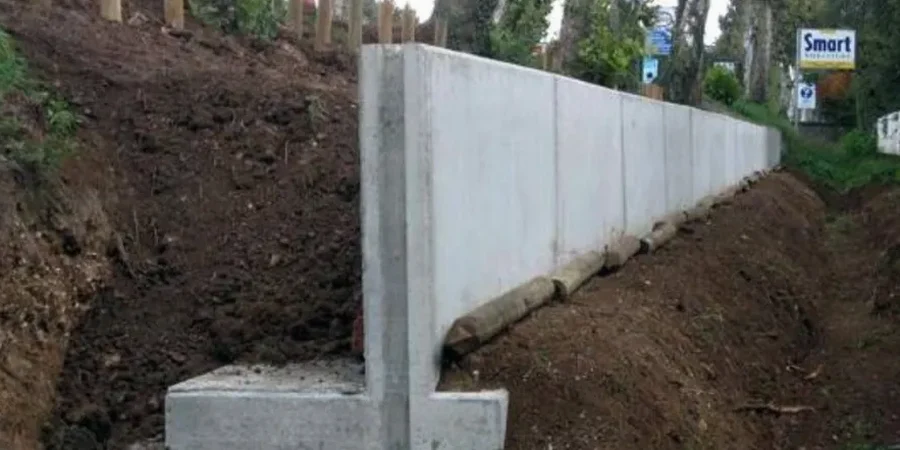
Regulatory compliance in Illinois is governed by a framework of national and local standards that directly inform our design approach. All retaining structures and slope modifications must adhere to the International Building Code (IBC) 2018 edition as adopted by the City of Aurora, which references ASCE 7 for minimum design loads. Geotechnical investigations follow the Illinois Department of Transportation (IDOT) Geotechnical Manual and ASTM standards. For retaining wall design, critical requirements include a minimum factor of safety of 1.5 against sliding and overturning, and 2.0 for bearing capacity. Aurora's stormwater management ordinance also mandates erosion and sediment control measures during construction, ensuring that temporary slopes are stabilized and permanent drainage systems are integrated to prevent future distress.
The scope of projects requiring these specialized services in Aurora is broad. On the residential front, homeowners constructing walkout basements on sloped lots need engineered solutions to prevent soil creep and wall failure. Commercial developers building retention ponds, bridge abutments, or tiered parking structures rely on robust active/passive anchor design to support tall walls and deep excavations. Public infrastructure projects, including roadway widening along steep embankments and stream bank stabilization for the Fox River Tributaries, demand rigorous analysis to protect public investment and water quality. Each project, whether a modest garden wall or a major transportation cut, shares the common need for a site-specific, geotechnically sound design that respects the complex interplay of soil, water, and structure.
Frequently asked questions
What are the common signs of a failing retaining wall or unstable slope on my Aurora property?
Key indicators include new or widening cracks in the wall face, tilting or leaning of the structure, bulging at the base, water staining, and soil erosion around the wall. For slopes, watch for tension cracks at the top, slumping or saturated ground, and leaning trees or fence posts. These signs suggest excessive hydrostatic pressure or foundation movement and require immediate professional assessment to prevent a sudden collapse.
Do I always need a geotechnical engineer for a retaining wall under 4 feet high in Aurora?
While the IBC typically exempts walls under 4 feet from engineering, Aurora's glacial soils and groundwater conditions can make even small walls risky. A surcharge from a slope above or poor drainage can easily overload a non-engineered wall. We recommend a site-specific evaluation to confirm stability, proper drainage design, and compliance with local building codes, safeguarding your investment from premature failure.
How does the Fox River's proximity affect slope stability and retaining wall design in Aurora?
Proximity to the Fox River often means a higher groundwater table and layered alluvial soils, which can significantly reduce a slope's effective stress and stability. Wall designs must incorporate robust drainage systems to relieve hydrostatic pressure and may require deeper foundations to reach competent bearing strata. Erosion from fluctuating water levels also necessitates scour protection measures for long-term resilience.
What is the typical process for a slope stability analysis or retaining wall design project?
The process begins with a subsurface investigation using soil borings to define the stratigraphy and groundwater conditions. Our engineers then perform limit equilibrium or finite element analyses to model failure mechanisms and calculate safety factors. The design phase produces detailed construction drawings and specifications for the wall, drainage, and any required reinforcement like soil nails or tieback anchors, followed by construction observation to ensure compliance.