Geotechnical laboratory testing forms the backbone of any well-planned construction or infrastructure project in Aurora, Illinois. This category encompasses the physical and mechanical analysis of soil and rock samples collected from project sites, providing engineers with the critical data needed to design safe, stable, and cost-effective foundations. From determining how much water a soil can hold to understanding its strength under load, the laboratory environment removes the variables of field testing and delivers precise, repeatable results. In a city with Aurora's mix of historic downtown structures and rapid suburban expansion into Kendall and Kane counties, laboratory testing is not merely a regulatory checkbox; it is a fundamental tool for mitigating risk and ensuring the longevity of investments in both the public and private sectors.
The geological setting of Aurora presents unique challenges that make laboratory analysis indispensable. The city is situated within the Fox River Valley, where surficial geology is dominated by glacial outwash, till, and lacustrine deposits from the Wisconsin Episode glaciation. These materials can vary dramatically over short distances, ranging from dense, gravelly tills ideal for bearing loads to soft, compressible silts and clays that are prone to settlement. Testing procedures like Atterberg limits become essential for characterizing these fine-grained soils, defining their liquid and plastic boundaries to predict how they will behave with seasonal moisture fluctuations. Without this detailed laboratory fingerprint, assumptions made during design could lead to differential settlement, frost heave, or even slope instability.
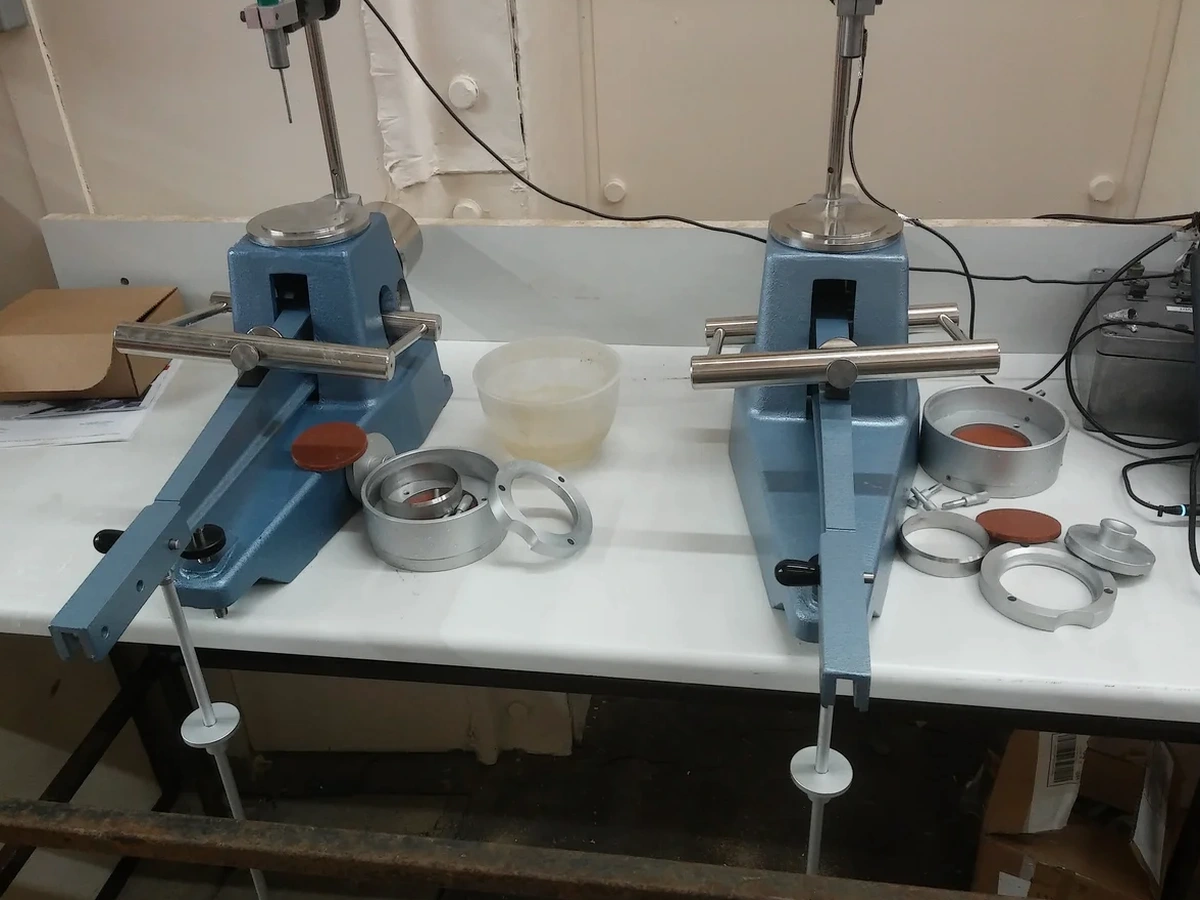
Compliance with national standards is a non-negotiable aspect of geotechnical laboratory work in the United States. All testing procedures adhere to the rigorous specifications set forth by ASTM International, particularly those in the D-18 committee on soil and rock. A complete grain size analysis (sieve + hydrometer) must follow ASTM D422/D6913, while Atterberg limits testing conforms to ASTM D4318. These standards ensure that data generated in an Aurora laboratory is legally defensible, repeatable, and comparable across different projects and jurisdictions. Local building departments and the Illinois Environmental Protection Agency (IEPA) frequently require ASTM-compliant reports for permitting, especially for stormwater management and erosion control plans tied to the Fox River watershed.
The types of projects in Aurora that demand comprehensive laboratory testing are diverse. High-density residential subdivisions on the city's expanding west side require thorough classification of near-surface soils to design shallow foundations and pavement sections. Commercial developments along the Route 59 corridor often involve deep excavations where laboratory shear strength tests are needed to design safe shoring systems. For brownfield redevelopment in the older industrial core near the river, chemical analysis alongside physical testing ensures that contaminated soils are properly managed. Even municipal infrastructure upgrades, from bridge replacements to school expansions, rely on laboratory-derived parameters like consolidation potential and permeability to meet the City of Aurora's rigorous plan review process.
Frequently asked questions
What is the typical turnaround time for a standard geotechnical laboratory testing suite in Aurora?
Turnaround times depend on the project's complexity and the laboratory's current workload. A standard suite including moisture content, Atterberg limits, and a sieve analysis can often be completed within 5 to 7 business days. Tests requiring longer curing or consolidation stages, such as unconfined compression or direct shear, may extend the timeline to two weeks or more. Expedited services are usually available for time-sensitive projects.
How do local soil conditions in the Fox River Valley affect the selection of laboratory tests?
Aurora's glacial history has deposited layered sequences of compressible clays and loose silts along the river valley, which are prone to settlement and instability. This makes tests like consolidation and Atterberg limits critical for predicting long-term deformation. In contrast, the granular outwash plains to the west require careful grain size analysis and Proctor compaction testing to ensure proper density for foundations and pavement subgrades.
What ASTM standards govern geotechnical laboratory testing for an Aurora construction project?
Geotechnical laboratories in the U.S. operate under ASTM International standards. Key ones include ASTM D422 for particle-size analysis, ASTM D4318 for Atterberg limits, ASTM D2216 for moisture content, and ASTM D2435 for consolidation testing. The City of Aurora and the Illinois EPA universally reference these standards in their permitting and reporting requirements to ensure data quality and legal defensibility.
Why can't I rely solely on field tests instead of sending samples to a geotechnical lab?
Field tests like the Standard Penetration Test provide valuable index data, but they cannot measure fundamental engineering properties with the precision of a controlled laboratory environment. Lab tests directly quantify shear strength, compressibility, and permeability under known stress conditions. This level of detail is essential for designing safe foundations, predicting settlement magnitudes, and meeting the strict submittal requirements of Aurora's building code officials.